
Fort Wayne homeowners rely on gutters to move roof runoff away from the house through changing seasons. Leaves, seed pods, twigs, and other debris can restrict that flow, especially on properties with mature trees. Gutter cleaning helps restore drainage, but a useful service visit should also identify visible conditions that may need repair or a separate replacement discussion.
Gingerich Guttering provides gutter cleaning in Fort Wayne, IN. Call (765) 434-1009 to discuss the gutter system and the cleaning scope.
Why Gutter Cleaning Matters in Fort Wayne
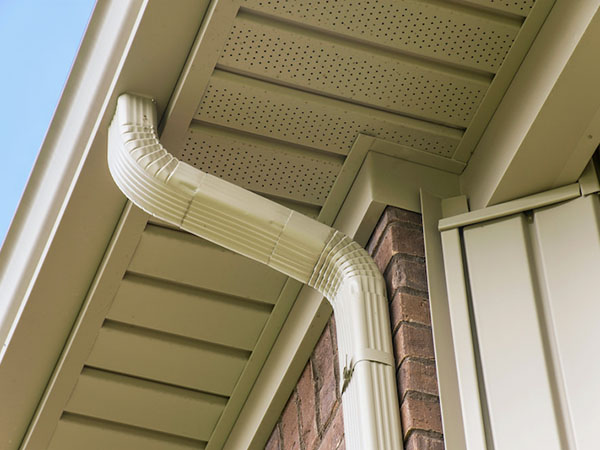
Debris can slow or block water moving through gutters and downspouts. During rainfall, that can lead to overflow at the roof edge or water discharging where it was not intended. Cleaning removes material that is interfering with flow so the system can be evaluated under clearer conditions.
Seasonal conditions affect each property differently. Spring rain and seed debris, summer storms, autumn leaf drop, and winter freezing can all change how much material collects in the system. A home surrounded by mature trees may need attention more often than a property with little nearby vegetation, so cleaning frequency should reflect observed buildup rather than a universal schedule.
Signs Your Gutters May Need Cleaning

Overflow during rain, visible debris, vegetation in the gutter channel, or water backing up near a downspout can indicate a blockage. Sagging or staining may also justify a closer look, but those conditions do not prove that debris is the only problem. Loose supports, separated joints, fascia concerns, or drainage issues can require their own repair assessment.
Some blockages are not visible from the ground. A downspout can appear open at the top while still holding debris farther down, which is why a complete cleaning visit should consider the full drainage path rather than only the visible gutter channel.
What a Gutter Cleaning Visit Should Check
A cleaning visit is most useful when the agreed scope goes beyond removing loose leaves. The following items help show whether the system is draining normally after debris is cleared.
Joints and seams. Check accessible joints for visible separation or leakage. Cleaning may expose a defect that was hidden by debris, but a separated joint should be treated as a repair item rather than assumed to be solved by cleaning.
Supports and hangers. Look for visible sagging, looseness, or sections pulling away from the fascia. The appropriate repair depends on the support condition and the material it is attached to.
Downspouts. Confirm that accessible downspouts are not obstructed and that water can exit through the intended route. A blockage farther inside the system may need additional clearing.
Fascia condition. Note visible staining, softness, separation, or damaged attachment areas where accessible. A cleaning visit can flag these conditions, but it does not by itself establish the extent or cause of concealed fascia deterioration.
Discharge routing. Confirm where downspouts release water and whether the visible discharge path directs runoff toward an appropriate drainage area. Site grading, underground drainage, walkways, landscaping, and local conditions can affect whether further routing work is needed.
Maintenance access. Discuss whether tree cover, roof geometry, access limitations, or recurring debris patterns make future cleaning more difficult. That information can help set a practical maintenance plan for the property.
Cleaning, Repair, or Replacement?
Cleaning is appropriate when debris is the main problem and the gutter system remains serviceable after it is cleared. A localized repair may be appropriate when the visit reveals one or more specific defects such as a loose hanger, separated joint, leaking connection, or damaged section.
Replacement is a separate decision. It may be worth evaluating when deterioration or failure is repeated across multiple sections, attachment areas no longer provide reliable support, or the existing system cannot reasonably provide the drainage capacity or configuration the property needs. Repeated clogging by itself does not prove that the entire gutter system needs replacement.
For related maintenance guidance, Gingerich Guttering’s gutter services information provides broader context. Its seasonal gutter-cleaning guide covers how changing conditions can affect maintenance planning.
What to Confirm Before the Cleaning Visit Ends
Before closeout, review the areas included in the cleaning scope and any visible conditions that need separate attention. Where practical and included in the service, a flow check can help confirm that accessible gutter runs move water toward the downspouts and that downspouts discharge without an obvious blockage.
A flow check is not a guarantee of future performance and does not replace diagnosis of concealed drainage, fascia, or grading problems. The useful closeout is a clear distinction between what was cleaned, what was observed, and what needs repair or further evaluation.
Protecting the Gutter System Year Round
A clean gutter system is easier to evaluate and maintain because debris is not hiding joints, supports, or drainage paths. The next cleaning interval should reflect the property’s tree cover, observed buildup, access, and seasonal conditions rather than a fixed schedule for every Fort Wayne home.
For gutter cleaning in Fort Wayne, IN, contact Gingerich Guttering at (765) 434-1009.
Frequently Asked Questions
How often should Fort Wayne homeowners schedule gutter cleaning?
The right interval depends on nearby trees, roof geometry, access, past debris buildup, and seasonal conditions. Homes with heavier debris may need more frequent service than properties with little surrounding vegetation.
What happens if debris remains in gutters during freezing weather?
Retained water can freeze and add weight or stress to the gutter system. The actual effect depends on the amount of trapped water, gutter condition, supports, and weather pattern.
How do I know whether cleaning is enough or repair is needed?
If the system drains normally after debris is cleared and no significant defects are found, cleaning may be enough. Loose supports, leaking joints, damaged sections, or other visible defects should be evaluated as repair items.
When should gutter replacement be considered?
Replacement may be worth evaluating when deterioration or failure affects multiple sections, attachment points no longer provide reliable support, or the system cannot reasonably meet the property’s drainage needs.