
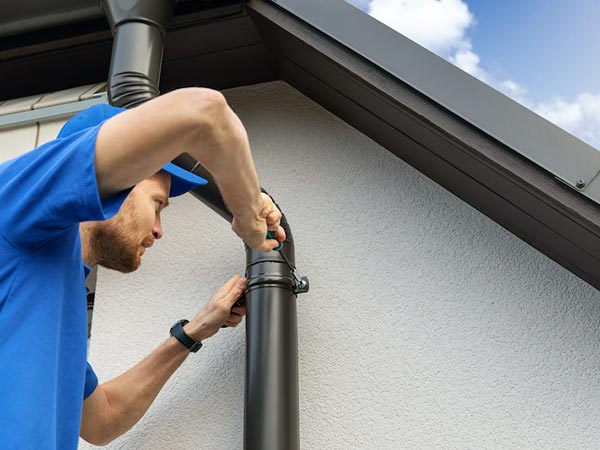
Fort Wayne’s heavy tree cover means gutters on homes and commercial buildings are constantly exposed to leaves, twigs, and other debris. Between heavy leaf drop and Indiana’s freeze-thaw winters, small gutter problems can quickly turn into bigger ones. Staying on top of rain gutter repair is mostly about routine, and catching the small issues before they turn into fascia, soffit, or foundation work.
Call Gingerich Guttering at (765) 434-1009 for rain gutter repair in Fort Wayne, IN.
Routine Care Prevents Rain Gutter Repair
Most gutter repairs are preventable. The systems that fail early are almost always the ones that go unnoticed until water is overflowing the gutters or running down a wall.
A simple inspection can change that. Walk through the roofline a couple of times a year, clear what has collected, and watch for the warning signs below. Ten minutes of looking often saves a repair, and a problem caught early is far smaller than the structural fix that follows a season of overflow.
The Warning Signs for Rain Gutter Repair
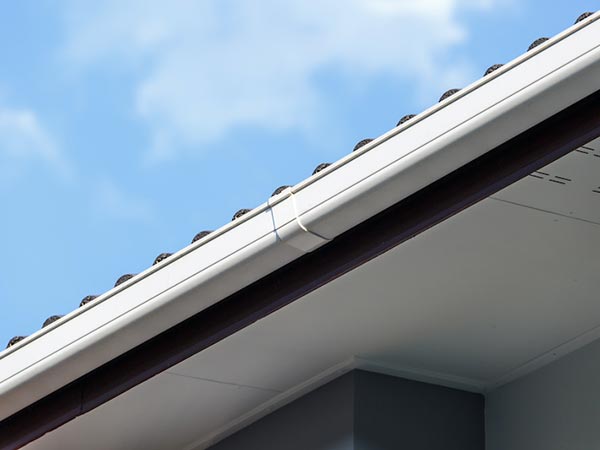
A few clear signs tell you a gutter needs attention now. Learn to spot them and you rarely get caught off guard. The earlier you notice, the smaller the fix.
Sagging or uneven sections mean water is pooling where it should be flowing, usually from a clog or a failing hanger. Leaking or separated seams show up as drip lines or stains under the joints. Gutters pulling away from the fascia point to trapped weight or loose fasteners. Overflow during rain signals a blockage, often down in the outlet or downspout. Streaks or peeling paint on the wall below the gutter tell you that water has been escaping for a while.
Clogged Downspouts Cause the Most Damage
Most people miss that the gutter is not usually the problem, but the downspout is. Water only backs up and overflows when it has nowhere to go.
A downspout packed with leaves or grit turns the whole run into a trough. In an Indiana winter where standing water freezes, the ice load is what will bend the hangers and pull the gutters loose. Clear the outlets and downspouts first and you head off most overflow before it ever becomes a repair. Check the elbows and any underground drain line too since these clog out of sight.
Seasonal Timing for Homes and Commercial Buildings
Time your inspections to the seasons that stress gutters most. In Fort Wayne that means late spring and again in late fall, after the leaves have fallen and before the hard freezes set in.
Commercial buildings need a closer eye. Larger rooflines, internal drains, and bigger water volumes mean small blockages back up fast and can reach the roof membrane or the interior. Deferred maintenance on a big roofline is where a minor clog turns into an emergency. For homes or businesses, the rule is the same: look before the season that punishes gutters, not after. A quick look after a massive storm is also a good idea.
Fort Wayne Rain Gutter Repair
Gutters do their job quietly until they cannot, and by then the fix is bigger. A little routine attention keeps homes dry and keeps commercial rooflines draining the way they should, through every Indiana season. The owners who catch problems early are usually the ones who avoid major repairs. That is the real benefit of staying ahead of maintenance.
For rain gutter repair in Fort Wayne, IN, contact Gingerich Guttering at (765) 434-1009 today.
FAQ
Do commercial buildings need a different gutter maintenance schedule than homes?
Yes. Larger rooflines and internal drains collect more debris and hold more water, so commercial gutters need more frequent checks to avoid backups.
Can rain gutters be repaired in winter in Fort Wayne?
Minor fixes hold in the cold, but sealants and adhesives cure best above freezing, so larger repairs are usually scheduled for milder days.
What is the most common cause of gutter overflow?
Clogged downspouts are usually the cause, not the gutters themselves, since water backs up once it has nowhere to drain.