
Aluminum gutters are a common choice for homes because they are lightweight, corrosion resistant, and available in seamless systems. For a Wabash, IN homeowner, though, the right system should be selected around the building and drainage conditions rather than material alone. Gingerich Guttering installs and repairs residential gutter systems in Wabash. Call (765) 434-1009 to discuss an assessment.
Choosing and Assessing an Aluminum Gutter System
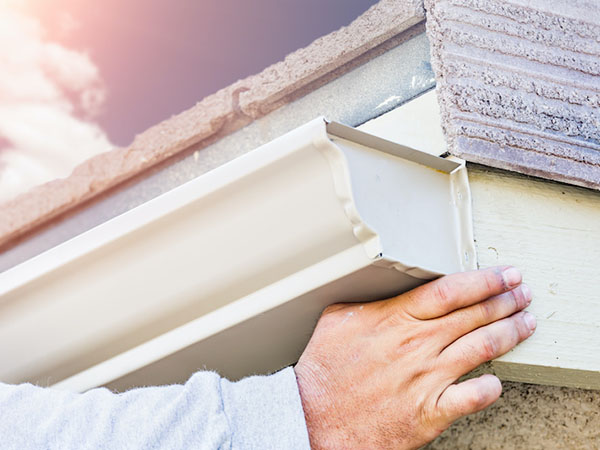
A useful gutter assessment looks at the roof and the path water must take after it reaches the gutter. Roof catchment area, slope, downspout placement, discharge routing, joints, supports, and maintenance access all affect how well the system works. The contractor should also note roofline changes, inside corners, and concentrated flow areas that may place extra demand on short sections.
Roof Catchment and Site-Specific Sizing
Gutter and downspout sizing should be based on the actual roof area, roof slope, layout, and rainfall design criteria used for the property. Ask the contractor to explain the sizing rationale instead of relying on a generic rule of thumb. The plan should also account for valleys or roof sections that concentrate runoff into shorter gutter runs.
Downspout Placement and Discharge Routing
Downspouts need to move collected water away from the building without creating new problems near foundations, walkways, landscaping, or neighboring areas. The assessment should identify where each downspout will discharge and whether grading or other site conditions affect that route.
Aluminum and Seamless Options
Aluminum is a material choice, while seamless describes how the gutter is fabricated. Seamless aluminum gutters are formed in long continuous runs, reducing the number of field joints. Gingerich Guttering’s current seamless gutter page for Wabash provides a useful comparison for homeowners considering fewer joints and custom fabrication.
Fewer seams can reduce potential leak points, but seamless gutters still need correctly located outlets, secure supports, proper alignment, sound end caps and corners, and routine maintenance. They should not be treated as leak-proof or maintenance-free.
Signs an Aging Aluminum System Needs Attention
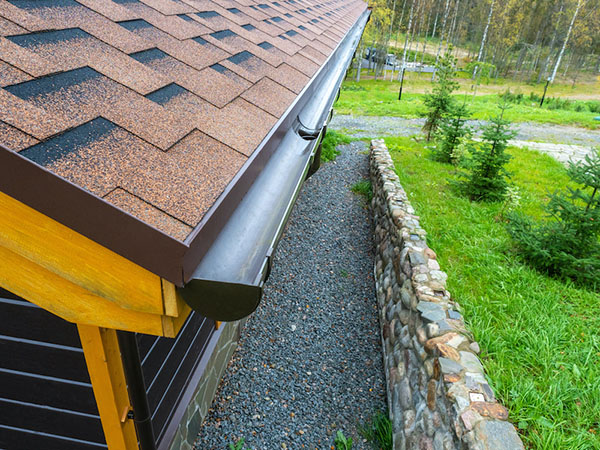
Sagging or Pulling Away
Loose fasteners, weak supports, or overloaded sections can let gutters sag and hold standing water. The repair decision should consider whether the gutter itself remains sound and whether the support or fascia condition can be corrected reliably.
Leaks, Open Joints, or Holes
Sectional joints, corners, end caps, and damaged areas can leak as sealants or materials deteriorate. Localized defects may be repairable, while repeated leaks across several sections can support replacement planning.
Overflow and Poor Drainage
Debris, inadequate capacity, poor outlet placement, damaged downspouts, or sections that no longer drain correctly can cause overflow. The cause should be identified before replacing gutters so the new system does not repeat the same drainage problem.
Repair or Replacement?
The decision depends on how much of the system is still serviceable. One loose section, leaking joint, or damaged support may justify repair when the remaining gutters are in good condition. Widespread sagging, repeated leakage, damaged fascia connections, or an undersized or poorly configured system can make replacement more practical.
For a related same-city comparison, Gingerich Guttering’s gutter installation page for Wabash explains how roof dimensions, slope, size, and downspout placement affect system selection.
Aluminum Gutters in Wabash, IN
Gingerich Guttering is family owned and operated, licensed and insured, with more than 18 years serving local homes and businesses. For a Wabash home, the best aluminum gutter choice is the one sized and laid out for the actual roof and discharge conditions, with supports and maintenance access planned from the start.
Call (765) 434-1009 to discuss aluminum gutter repair, replacement, or installation for your property.
Frequently Asked Questions
Are seamless gutters always better than sectional gutters?
No. Seamless systems reduce the number of field joints, but performance still depends on sizing, support, downspout placement, installation, and maintenance.
Can sagging aluminum gutters be repaired?
Sometimes. Repair can make sense when the gutter material remains sound and the support, fastener, or alignment problem can be corrected reliably.
How should gutter size be chosen?
Ask for a site-specific recommendation based on roof area, slope, layout, rainfall design criteria, and the planned number and location of downspouts.