
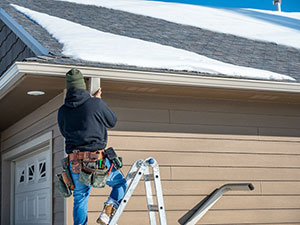
A gutter system is designed to manage roof runoff and direct water safely away from a home, but when any part of the system stops working as intended, water quickly becomes a problem. From overflowing gutters to foundation issues, most failures trace back to how water moves through the system and where that movement gets interrupted.
At Gingerich Guttering, we work with gutter systems across Atlanta, IN, where heavy rain, seasonal debris, and temperature changes regularly test system performance. For gutter-related questions, our team can be reached at (765) 434-1009.
How a Gutter System Works and Why Failures Happen
A gutter collects rainwater at the roofline and directs it safely away from the building. The gutters catch runoff as it leaves the roof, and the downspouts channel that water down and away from the foundation to help prevent damage.
Understanding how a gutter system works, and why it fails, helps homeowners recognize problems early and protect their property before damage occurs.
A properly functioning gutter relies on:
- Correct gutter sizing for the roof area
- Consistent slope to keep water moving
- Secure attachment along the fascia
- Strategically placed downspouts

When these elements work together, water is carried away before it can soak siding, pool near foundations, or erode soil.
Slope and Water Flow Matter in a Gutter System
Water does not move through a gutter system on its own. Gutters must be installed with a slight slope so gravity can guide water toward the downspouts. Even a small section installed incorrectly can disrupt flow and cause water to back up.
Improper slope often leads to:
- Standing water inside the gutter
- Overflow during moderate rain
- Increased debris buildup
- Accelerated corrosion or wear
Consistent slope is one of the most overlooked factors in long-term gutter performance.
Common Gutter System Failure Points Along the Roofline
Most gutter system problems begin where components connect or experience repeated stress. Seams, end caps, hangers, and downspout outlets are all areas where movement and water pressure concentrate.
Typical failure points include:
- Leaks at seams or joints
- Sagging sections caused by loose hangers
- Separation from the fascia board
- Cracks forming near outlets
These issues often develop gradually and become noticeable only when water starts overflowing or dripping where it should not.
How Debris Disrupts Gutter System Function
Leaves, twigs, and roof granules are among the most common causes of gutter system failure. When debris builds up, it blocks water flow and forces rain to spill over the gutter edge.
Blocked gutters can cause:
- Water spilling onto siding and windows
- Soil erosion below the roof edge
- Water pooling near the foundation
- Ice formation during colder months
Regular inspection helps prevent small clogs from turning into widespread drainage problems.
Downspouts and Drainage Problems That Cause Gutter System Failure
Even when gutters are clear, downspouts can become a weak point. If downspouts are undersized, poorly placed, or blocked, water backs up into the gutter system and overflows.
Common downspout-related issues include:
- Too few downspouts for the roof size
- Discharge points too close to the foundation
- Crushed or disconnected sections
- Clogs at elbows or underground drains
Proper drainage at ground level is just as important as water collection at the roofline.
Weather-Related Stress on a Gutter System
In areas like Atlanta, Indiana, gutter systems must handle heavy rain, falling debris, and seasonal temperature changes. Thermal expansion and contraction can loosen fasteners over time, while ice and snow add extra weight during winter.
Weather-related stress often leads to:
- Hanger failure
- Warped or bowed gutter sections
- Joint separation
- Reduced system lifespan
Design and installation quality play a major role in how well a gutter holds up under repeated weather exposure.
Recognizing Early Warning Signs of Gutter System Failure
Most gutter system problems show warning signs before serious damage occurs. Paying attention to these indicators allows homeowners to address issues before water affects the home.
Warning signs include:
- Water spilling over gutters during rain
- Staining on siding or fascia
- Pooling water near the foundation
- Visible sagging or movement
Early intervention often prevents more extensive repairs later.
Gutter System Specialists
A gutter system may seem straightforward, but proper performance depends on accurate installation and ongoing maintenance. In Atlanta, Indiana, Gingerich Guttering helps homeowners assess how well their gutters are working by considering roof size, drainage demands, and local weather patterns. When homeowners understand how their gutter functions and what causes problems, they are better prepared to protect their home from costly water related damage.. For questions about gutter system performance or drainage concerns, Gingerich Guttering can be reached at (765) 434-1009.
FAQ
How often should a gutter system be inspected?
Most gutters should be inspected at least twice a year, typically in the spring and fall, and after major storms.
Can a gutter system fail even if it looks fine from the ground?
Yes. Improper slope, loose hangers, or internal clogs are not always visible but can still cause overflow and drainage problems.
Does gutter size affect system performance?
Yes. Undersized gutters may not handle heavy rainfall, leading to overflow even when the system is clean.
Is overflow always caused by clogged gutters?
No. Overflow can also result from improper slope, insufficient downspouts, or drainage issues at ground level.