
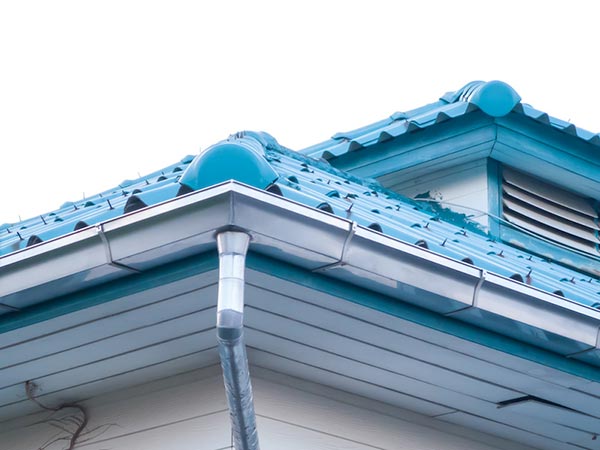
In Fort Wayne’s established neighborhoods, small exterior details make a big difference, and downspouts are more visible than most homeowners think. A thoughtful gutter downspout installation moves water safely away while blending into the look of the house instead of fighting it.
Gingerich Guttering treats the layout as part of the home’s appearance. Call Gingerich Guttering at (765) 434-1009 for gutter downspout installation in Fort Wayne, IN.
Gutter Downspout Installation Shapes Curb Appeal
Downspouts run down the most visible faces of a house, so where they land and how they look affects the whole exterior. A spout dropped in the middle of a front wall or finished in a clashing color draws attention and detracts from an otherwise clean facade.
Done well, the opposite happens. A downspout tucked at a corner in a matching finish disappears into the lines of the house, and the roofline reads clean. Good drainage and good looks are not a trade-off when the layout is planned from the start.
Placement and Layout in Gutter Downspout Installation
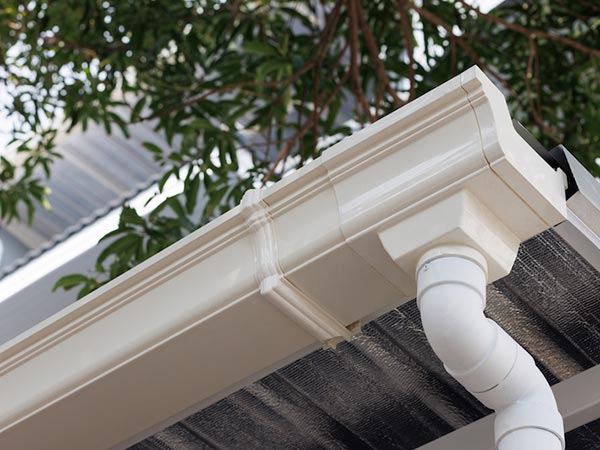
Smart placement keeps downspouts out of the sightline. Routing them to inconspicuous corners and back edges hides the hardware while still carrying water where it needs to go. The goal is a layout that blends into the home’s design rather than drawing attention to itself.
The number of downspouts is part of that. Properly sized gutters and outlets can move the same water through fewer drops, so a well-planned system often needs fewer visible spouts than a builder-grade one. Balancing drainage against appearance is where a designed layout pays off.
Materials, Finishes, and a Clean Runoff Path
Color and profile are what tie a downspout to the home. Matching the finish to the fascia or siding lets it recede, and choosing a profile that suits the home’s style, whether cleaner rectangular lines or a softer rounded shape, keeps it in character with the exterior.
The path at the bottom matters too. Buried extensions can carry water several feet from the foundation without pipes running visibly across the lawn, which protects the landscaping and signals the kind of care that supports resale value in Fort Wayne’s market.
Sizing and Spacing for a Gutter Downspout Installation
The right size and spacing keep a downspout system looking clean for the long run. Undersized spouts overflow in heavy rain and streak the siding, which undoes the appearance quickly, so matching capacity to the roof area protects both drainage and looks. A layout planned around the home’s dimensions holds up far better than a one-size-fits-all approach.
Spacing plays into the sightlines too. Placing spouts at natural breaks in the facade, near corners and where trim already divides the wall, lets them read as part of the design rather than an afterthought stuck onto the middle of a clean run. Small choices in spacing are what make the difference between hardware that hides and hardware that distracts.
Gutter Downspout Installation That Adds Curb Value
A gutter downspout installation planned around placement, finish, and a clean runoff path protects the home and quietly improves how it looks from the street. That blend of function and appearance is what makes professional installation worth doing right the first time.
A downspout system sized, spaced, and finished with the home in mind protects the structure and keeps the exterior looking cared for, which is exactly what buyers notice in Fort Wayne’s market.
For gutter downspout installation in Fort Wayne, IN, contact Gingerich Guttering at (765) 434-1009 today.
FAQ
How many downspouts does a typical Fort Wayne home need?
It depends on roof area and gutter size, but most homes need approximately one downspout for every 30 to 40 feet of gutter so water drains without overflowing.
How do I choose a downspout style that fits my home?
Match the profile and color to your fascia and siding; rectangular spouts suit clean modern lines, while rounded ones complement traditional and historic exteriors.
How far should downspouts carry water from the foundation?
Water should exit several feet from the house, and buried extensions can move it there without pipes running visibly across the lawn.