Seamless Aluminum Gutters Atlanta, IN

For commercial property owners in Atlanta, Indiana, investing in seamless aluminum gutters can save time, money, and headaches over the long term. Businesses face heavy rainfall, snow accumulation, and seasonal temperature swings that can damage poorly functioning gutter systems. Upgrading to a professional seamless system ensures your building is protected while minimizing maintenance costs.

Gingerich Guttering provides expert installation for commercial properties in the area, and you can call 765-434-1009 to schedule an evaluation for your building. While our focus is commercial clients, we also service residential properties across Atlanta, IN.

The Case for Upgrading to Seamless Aluminum Gutters

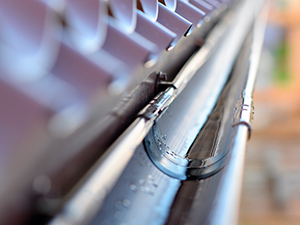
Seamless aluminum gutters differ from traditional sectional gutters because they are custom fabricated on site to fit the exact dimensions of your roofline. This reduces leaks, prevents standing water, and improves the overall performance of your building’s drainage system. For commercial properties, where roof surfaces and runoff volumes are larger than typical homes, these benefits are magnified.

Before diving into the advantages, it is important to understand why standard gutters often fail on commercial buildings. Traditional sectional gutters have multiple joints and seams, which can allow leaks and debris build up. Over time, this leads to water overflow, foundation issues, and damage to exterior walls. Seamless aluminum gutters eliminate most of these failure points, making them an ideal solution for business owners looking to protect their investment.

Reduced Maintenance Costs of Seamless Aluminum Gutters

One of the primary reasons businesses upgrade to seamless aluminum gutters is the reduction in ongoing maintenance. Properly installed seamless gutters require fewer repairs and are less prone to clogging.

Benefits include:

  • Fewer leaks and joint failures
  • Less frequent cleaning due to smoother surfaces
  • Reduced risk of water damage to walls and foundations
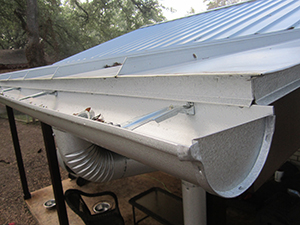
Commercial buildings often have large roof surfaces with heavy water runoff. By reducing potential problem areas, seamless gutters save both labor costs and emergency repair expenses.

Seamless Aluminum Gutters’ Durability

Aluminum is naturally resistant to rust, making it ideal for Indiana’s seasonal weather conditions, including snow, ice, and heavy rainfall. Seamless design combined with high-quality aluminum panels ensures that gutters can handle significant water flow without warping or sagging.

Key advantages for commercial buildings:

  • Long-term resistance to corrosion and weather-related damage
  • Ability to handle large volumes of water from flat or low-slope roofs
  • Structural stability even during snow accumulation

With seamless aluminum gutters, commercial property managers can be confident that the drainage system will perform consistently year after year.

Protection for Building Structure

Water that overflows from failing gutters can cause serious damage to commercial buildings, including:

  • Foundation erosion or cracking
  • Exterior wall staining and siding damage
  • Landscape flooding and parking lot erosion

Seamless aluminum gutters direct water away efficiently, protecting the building envelope and surrounding property. For businesses in Atlanta, this can prevent costly structural repairs and liability issues related to water pooling.

Improved Aesthetics of Aluminum Gutters

Seamless gutters also provide a cleaner, more professional appearance. Custom fabrication ensures that the gutters fit snugly along the roofline, creating a polished look for office buildings, retail centers, and industrial facilities. A well-maintained exterior contributes to the business’s image and helps maintain property value over time.

Professional Help Is Crucial

Commercial gutter systems are larger and more complex than residential setups. Improper installation can lead to misaligned downspouts, inadequate slope, and poor water flow. Professional installation ensures:

  • Accurate measurement and on-site fabrication
  • Correct downspout placement for optimal drainage
  • Compliance with local building codes and safety standards

Working with experienced professionals like Gingerich Guttering guarantees the system functions efficiently while minimizing risk to the building structure.

When to Consider an Upgrade?

Commercial property owners should evaluate their gutter systems when:

  • Multiple leaks appear across long rooflines
  • Existing gutters sag or pull away from fascia
  • Water consistently overflows during storms
  • Maintenance costs are high due to frequent clogging

Upgrading before severe weather strikes can prevent emergencies and reduce repair costs in the long term.

Specializing in Seamless Aluminum Gutters

For Atlanta, Indiana businesses, seamless aluminum gutters provide a practical, durable, and cost-effective solution to protect commercial buildings from water damage. By investing in a professionally installed system, property owners safeguard their building, reduce ongoing maintenance, and improve aesthetics. Contact Gingerich Guttering at 765-434-1009 to schedule a commercial gutter evaluation and protect your property from seasonal water challenges.

FAQ

Can seamless aluminum gutters handle heavy rainfall on commercial roofs?
Yes, custom-fabricated seamless gutters manage large water volumes efficiently.

Do seamless gutters require less maintenance than sectional gutters?
Yes, fewer seams mean fewer leaks and less debris accumulation.

Can I install seamless gutters on older commercial buildings?
Yes, retrofitting older roofs is common and improves drainage performance.

Are seamless gutters suitable for Indiana winters?
Absolutely. Aluminum resists corrosion, and professional installation accounts for snow and ice loads.

Seamless Gutters Atlanta, IN

blank

Seamless gutters play a key role in protecting commercial and residential properties in Atlanta, Indiana from water damage, foundation concerns, and long-term structural wear. Even high-quality systems can fail over time if they are not installed correctly or properly maintained. Professional seamless gutter services help catch small issues early, preventing expensive repairs down the road.

Gingerich Guttering provides seamless gutter inspections, repairs, and complete system solutions for property owners in Atlanta, Indiana. Call 765-434-1009 to schedule service and keep your building protected year-round.

Common Seamless Gutter Problems and How Experts Fix Them

Seamless gutters are designed to minimize leaks and blockages, but factors like debris buildup, improper pitch, or weather-related wear can still create problems. Understanding common issues helps commercial property owners protect their investments and ensures that gutters continue to channel water effectively away from the building. This guide focuses on typical problems, their causes, and how expert professionals resolve them for both commercial and residential properties.

Seamless Gutters Can Accumulate Clogs and Debris

Even seamless gutters can become clogged with leaves, twigs, and dirt, particularly in areas with large trees. Clogs prevent proper water flow and can cause water to overflow or pool on the roof, leading to damage.

Professional fixes include:

  • Using specialized cleaning tools to remove debris efficiently
  • Installing guards or screens to reduce future clogs
  • Checking downspouts and drainage paths for blockages
blank

Regular maintenance prevents overflow and protects building exteriors, landscaping, and foundations from water damage.

Sagging or Improperly Pitched Seamless Gutters

Gutters must be installed at the correct angle to allow water to flow toward downspouts. Over time, fasteners may loosen, or weight from debris and ice can cause gutters to sag. Improper pitch leads to standing water, rust, and structural stress.

Experts address this by:

  • Re-securing loose hangers or brackets
  • Adjusting the slope of the gutter for proper drainage
  • Replacing damaged sections to restore integrity

For commercial buildings with long gutter runs, precise adjustments are crucial to prevent water pooling that could affect walls, signage, and entrances.

Leaks at Seams or Joints

Although seamless gutters reduce the number of joints, leaks can still occur where downspouts, corners, or end caps connect. Even minor leaks can drip onto walls, erode siding, or create slippery walkways around commercial properties.

Professional repairs often involve:

  • Sealing joints with high-quality waterproof sealant
  • Replacing worn or damaged end caps and connectors
  • Inspecting surrounding roofing and flashing to ensure no secondary damage

Prompt attention keeps water flowing correctly and prevents long-term structural issues.

Damage From Ice, Snow, or Storms

In Indiana, heavy snow, ice accumulation, and strong storms can damage gutters. Ice dams, bending, and dents reduce effectiveness and increase the risk of water damage.

Commercial roofing and gutter experts resolve these issues by:

  • Removing ice and snow safely to prevent further damage
  • Repairing or replacing bent or dented sections
  • Installing heat cables or insulation solutions for preventive protection

For residential properties, similar precautions help extend gutter life and maintain water management efficiency.

Rust and Corrosion

Seamless gutters made from metal can still develop rust over time, especially in areas where water pools or debris accumulates. Rust weakens the structure and can eventually lead to leaks or collapse.

Professional solutions include:

  • Removing rust and applying protective coatings
  • Replacing severely corroded sections with durable materials
  • Ensuring proper slope and drainage to prevent future rust

Maintaining rust-free gutters protects both commercial and residential properties from costly water damage.

Specializing in Seamless Gutters

Commercial and residential properties in Atlanta, Indiana depend on properly functioning seamless gutters to protect their structures from water damage. Clogs, leaks, sagging sections, and storm damage can all compromise performance if left unaddressed. Skilled workmanship ensures your gutter system continues directing water safely away from your building.

Gingerich Guttering delivers seamless gutter inspections, repairs, and installations for homes and commercial buildings in Atlanta, Indiana. Call 765-434-1009 to keep your property protected and your water drainage working as it should.

FAQ

How often should seamless gutters be inspected?
At least twice a year, especially before and after heavy winter or storm seasons.

Can small leaks be fixed without replacing the gutter?
Yes, most leaks can be sealed professionally without full replacement.

Do commercial gutters require more maintenance than residential?
Yes, because longer runs and larger roof areas accumulate more debris and stress.

What materials are best for seamless gutters in Indiana weather?
Aluminum, steel, and copper are common, with coatings to prevent rust and corrosion.

Leaf Guard Atlanta, IN

Leaf Guard Atlanta, IN 1

At Gingerich Guttering, we often get questions from commercial businesses and homeowners in Atlanta, IN, about whether a leaf guard system can really handle harsh weather. Between heavy spring rains, autumn leaves, and winter snow and ice, gutters can get clogged or damaged quickly. Installing a ;eaf guard helps protect your property and reduces the time and effort spent cleaning gutters every season. For expert installation, contact Gingerich Guttering at (765) 434-1009.

Leaf Guard in Harsh Weather: Do They Really Work?

So, how do leaf guard systems perform under different Indiana weather conditions? We have detailed how these systems prevent clogs, handle snow and ice, and protect your roof, siding, and foundation. By understanding the benefits and limitations, you can decide if a guard system is right for your gutter systems.

During spring and summer, Atlanta, IN often experiences heavy downpours that can overwhelm unprotected gutters. Leaf guards are designed to allow water to flow into the gutter while keeping leaves and debris out. This helps prevent overflow, which can cause water to spill over siding and erode landscaping.

The main advantages of guards during heavy rain include:

  • Continuous water flow without blockages
  • Reduced risk of water damage to roof edges and foundation
  • Lower maintenance requirements, since gutters need less frequent cleaning

By keeping rainwater flowing efficiently, leaf guards help prevent costly water-related damage around your property.

Leaf Guard Atlanta, IN 2

Preventing Leaf and Debris Buildup in Autumn

Fall in Atlanta brings an abundance of falling leaves, twigs, and seeds that can quickly clog gutters. A leaf guard system acts as a barrier, preventing most debris from entering the gutter while still allowing water to pass through.

While no system is 100% maintenance-free, property managers with guards generally spend far less time clearing gutters each year. Regular inspections and minor surface cleaning once or twice a year are usually enough to keep the system performing well.

Winter Protection: Snow and Ice Considerations

Snow and ice can be a serious challenge for gutters in Indiana winters. Heavy snow accumulation can bend or pull down gutters if they are clogged. Ice dams are also a risk when melting snow re-freezes at the roof edge.

Leaf guards help reduce ice buildup by preventing debris from forming blockages where water can pool. Properly installed, guards work with your existing gutter slope to allow melting snow to flow freely, reducing the chance of ice dams and damage.

Other Benefits

Beyond weather protection, leaf guards offer several additional advantages:

  • Protect gutters from sagging and rust caused by standing water
  • Prevent nests and blockages from small animals and insects
  • Maintain curb appeal by reducing overflow stains on siding and windows
  • Extend the life of your gutter system and roof edges

These benefits make guards a smart investment for owners who want a low-maintenance, long-lasting solution.

Choosing the Right Leaf Guard System

Not all leaf guard systems are created equal. Some types are better suited for heavy rainfall, while others excel at keeping out leaves and debris. It’s important to select a system designed for your roof type and local weather conditions.

Professional installation ensures proper fit, pitch, and secure attachment, which maximizes performance during harsh Indiana winters and storms. Gingerich Guttering can help you choose the right system for your Atlanta, IN property and ensure it is installed correctly.

Local Leaf Guard Experts

Leaf guards aren’t just a convenience; they help protect property from weather-related damage in every season. From heavy rain and falling leaves to snow and ice, a properly installed guard system reduces maintenance, prevents clogs, and safeguards gutters and roof edges. For businesses and homes in Atlanta, IN, it is a practical, long-term investment in weather protection. Contact Gingerich Guttering at (765) 434-1009 to schedule a consultation or installation today.

FAQ

Do leaf guards work with all roof types?
Yes, they can be installed on most roof types including shingles, metal, and tile, but proper installation is key.

Will leaf guards prevent ice dams completely?
Leaf guards reduce water pooling that contributes to ice dams but do not eliminate all winter roofing risks.

How often do leaf guards need maintenance?
Typically once or twice a year for surface debris cleaning, depending on nearby trees.

Can leaf guards handle extremely heavy rainfall?
Yes, when properly installed and matched to the gutter system, they efficiently channel water even during heavy storms.

Gutter Installation Atlanta, IN

Gutter Installation Atlanta, IN 1

At Gingerich Guttering, we often work with building owners in Atlanta, Indiana who need reliable gutter installation for different roof types. From warehouses and office buildings to retail properties, the structure and slope of the roof have a major impact on how gutters are installed and how well they function. While homeowners can also benefit from understanding these factors, commercial properties often face larger-scale challenges like heavier water flow, snow load, and debris accumulation. For professional installation, contact Gingerich Guttering at (765) 434-1009.

How Roof Type Affects Gutter Installation

This article explains how different roof types affect gutter installation, what property owners should know about choosing the right system, and how proper installation can prevent water damage and reduce long-term maintenance. You’ll learn practical tips to keep gutters functioning efficiently no matter the size or style of the roof.

Sloped Roofs: Fast Water Flow

Sloped roofs are common on both commercial and residential buildings, but the scale on commercial properties often increases the challenges. Gutters need to be positioned carefully to handle fast-moving water and prevent overflow. The steeper the slope, the greater the volume of water reaching the gutter during heavy rainfall.

Key considerations for sloped roofs include:

  • Correct gutter size: Larger gutters handle more water without overflowing.
  • Proper downspout placement: Adequate spacing ensures water is efficiently directed away from the building.
  • Secure mounting: Commercial roofs often require reinforced hangers to support the weight of water during storms.
Gutter Installation Atlanta, IN 2

Flat Roofs: Managing Slow Drainage

Flat roofs, commonly seen on warehouses, retail buildings, and multi-story office buildings, present unique challenges for gutter installation. Water moves more slowly, which can lead to pooling if the gutters are not installed with precise slope and proper drainage outlets.

For flat roofs, professional installers often:

  • Ensure slight pitch toward drains or downspouts
  • Use larger capacity gutters to manage pooled water
  • Check for roof membrane compatibility to prevent leaks

While homeowners less frequently have flat roofs, understanding these principles helps explain why commercial installations often require a higher level of expertise.

Multi-Level Roofs: Coordinating Water Flow

Commercial buildings with multi-level roofs require careful planning to prevent water from overflowing from higher sections onto lower roofs or walkways. Downspouts and gutters need to be strategically placed to handle intersecting rooflines and increased water volume.

Benefits of professional planning for multi-level roofs include:

  • Minimized risk of water damage to walls, foundations, and lower roofs
  • Less maintenance, as properly designed systems reduce debris accumulation
  • Extended gutter lifespan, since each section is installed to handle load efficiently

Specialty Roofs: Curved or Metal Surfaces

Some commercial buildings feature curved, domed, or metal roofs. These surfaces create unusual water flow patterns that can overwhelm standard gutter systems. Proper installation must account for the way water travels along the roof surface and how debris might accumulate differently than on typical sloped or flat roofs.

Special considerations include:

  • Installing custom-shaped gutters or adaptors for unique roof lines
  • Ensuring metal roof fasteners do not interfere with gutter attachment
  • Planning regular inspections to catch potential blockages early

Proper Gutter Installation Matters

Properly installed gutters protect your building’s structure, reduce maintenance costs, and prevent water-related damage. Whether the building has a sloped, flat, multi-level, or specialty roof, a correctly designed system:

  • Diverts water away from foundations and landscaping
  • Protects walls, windows, and doors from overflow damage
  • Reduces the risk of mold, rot, or corrosion
  • Ensures longevity of both roof and gutter system

Understanding how roof types affect gutter installation is key to keeping any building safe and functional. At Gingerich Guttering in Atlanta, Indiana, we specialize in designing and installing gutters tailored to your roof type, ensuring proper flow, durability, and minimal maintenance. Whether you manage a commercial property or a homeowner looking to upgrade your system, professional installation makes a difference. Contact Gingerich Guttering at (765) 434-1009 to schedule an evaluation today.

FAQ

Can gutters be installed on all roof types?
Yes, but the method and materials vary depending on slope, structure, and roof material.

Do flat roofs require special gutter sizes?
Yes, they often need larger gutters and precise slope to prevent pooling.

How often should commercial gutters be inspected?
At least twice a year, plus after heavy storms or leaf accumulation.

Can homeowners use the same techniques for smaller buildings?
Yes, but commercial buildings require larger systems and reinforced support. Our residential gutter-related services mix the correct amount of technique and residential prowess to give you the optimum solution, rather than using the same techniques.

Gutter Replacement Atlanta, IN

Gutter Replacement Atlanta, IN 1

When gutters stop doing their job, water has very few places to go. Instead of being directed safely away from the structure, it begins to collect along rooflines, walls, and foundations. In these situations, gutter replacement often becomes the most effective way to stop ongoing water damage. At Gingerich Guttering, we help property owners across Atlanta, IN identify failing gutter systems and replace them before moisture causes expensive structural problems. If you are noticing drainage issues around your property, you can reach us at (765) 434-1009.

Identifying the Need for Gutter Replacement

This article explains how old or failing gutters contribute to water damage, what areas of a building are most affected, and why replacing worn gutter systems can protect both residential homes and light commercial buildings from long-term moisture issues.

Gutters are designed to control roof runoff, but over time they can warp, rust, crack, or pull away from the structure. Once this happens, water is no longer channeled properly. Instead, it spills over edges or leaks through seams, landing directly against siding, trim, or foundation walls.

This applies to single-family homes as well as small commercial buildings such as offices, storefronts, and mixed-use properties. When water repeatedly hits the same areas, it begins to break down building materials, increasing the risk of rot, staining, and structural deterioration. Gutter replacement restores proper flow and helps eliminate these recurring problem zones.

Gutter Replacement Atlanta, IN 2

Foundation Damage Caused by Failing Gutters

One of the most common consequences of old gutters is foundation-related water damage. When runoff is not directed away from the structure, it saturates the soil surrounding the foundation. Over time, this excess moisture can lead to cracking, shifting, or erosion.

For homeowners, this may show up as basement dampness or cracks in foundation walls. For commercial buildings, foundation issues can affect interior flooring, entryways, and load-bearing areas. Replacing gutters helps ensure water is carried safely away from the building, reducing long-term stress on the foundation.

Many interior moisture problems begin with exterior drainage failures. Water that repeatedly contacts walls can find its way inside through small cracks or gaps, leading to stained ceilings, damaged drywall, or musty odors.

This can impact living spaces in homes and offices, storage areas, or entryways in commercial buildings. By replacing outdated gutter systems, property owners reduce the chances of water entering the building envelope and causing hidden interior damage.

Solve Gutter Failure with Gutter Replacement

When gutters clog or sag, water often backs up along the roof edge instead of draining properly. This constant exposure can damage fascia boards, roof decking, and trim materials. In colder months, trapped water may freeze, increasing the weight on already weakened gutter systems.

Over time, this moisture damage can shorten the lifespan of the roof itself. Gutter replacement helps prevent water from lingering along roof edges and protects critical components that support the roofing system on both residential and commercial structures.

What Happens During a Gutter Replacement Project

While every property is different, most gutter replacement projects follow a similar process:

  • Existing gutters are removed and inspected for underlying damage
  • New gutters are sized to match roof area and drainage needs
  • Downspouts are positioned to direct water away from the structure
  • The system is tested to ensure consistent water flow

This process helps ensure the new gutter system performs reliably during heavy rainfall.

When Gutter Replacement Is the Right Choice

If gutters require frequent repairs, leak at multiple points, or no longer sit properly along the roofline, replacement is often the better solution. New gutter systems provide improved performance, better water control, and fewer recurring issues.

Both homeowners and commercial property owners benefit from addressing gutter problems early before water damage spreads to other parts of the building.

Protect Your Property with Gutter Replacement

At Gingerich Guttering, we provide dependable gutter replacement services for residential and commercial properties throughout Atlanta, IN. Replacing failing gutters helps protect foundations, roofs, and interior spaces from water damage. To discuss your gutter concerns or schedule an evaluation, call (765) 434-1009 today.

FAQ

Can old gutters cause water damage even if they are not leaking?
Yes, sagging or poorly sloped gutters can still overflow and direct water toward the building.

Do larger buildings need different gutter systems?
Yes, roof size and layout influence gutter capacity, which is considered during replacement.

Will new gutters help with basement moisture issues?
In many cases, proper gutter replacement improves drainage and reduces basement dampness.

How long do replacement gutters typically last?
With proper installation, new gutter systems can last for many years depending on material and exposure.

Gutter System Atlanta, IN

Gutter System Atlanta, IN 1

A gutter system is designed to manage roof runoff and direct water safely away from a home, but when any part of the system stops working as intended, water quickly becomes a problem. From overflowing gutters to foundation issues, most failures trace back to how water moves through the system and where that movement gets interrupted.

At Gingerich Guttering, we work with gutter systems across Atlanta, IN, where heavy rain, seasonal debris, and temperature changes regularly test system performance. For gutter-related questions, our team can be reached at (765) 434-1009.

How a Gutter System Works and Why Failures Happen

A gutter collects rainwater at the roofline and directs it safely away from the building. The gutters catch runoff as it leaves the roof, and the downspouts channel that water down and away from the foundation to help prevent damage.

Understanding how a gutter system works, and why it fails, helps homeowners recognize problems early and protect their property before damage occurs.

A properly functioning gutter relies on:

  • Correct gutter sizing for the roof area
  • Consistent slope to keep water moving
  • Secure attachment along the fascia
  • Strategically placed downspouts
Gutter System Atlanta, IN 2

When these elements work together, water is carried away before it can soak siding, pool near foundations, or erode soil.

Slope and Water Flow Matter in a Gutter System

Water does not move through a gutter system on its own. Gutters must be installed with a slight slope so gravity can guide water toward the downspouts. Even a small section installed incorrectly can disrupt flow and cause water to back up.

Improper slope often leads to:

  • Standing water inside the gutter
  • Overflow during moderate rain
  • Increased debris buildup
  • Accelerated corrosion or wear

Consistent slope is one of the most overlooked factors in long-term gutter performance.

Common Gutter System Failure Points Along the Roofline

Most gutter system problems begin where components connect or experience repeated stress. Seams, end caps, hangers, and downspout outlets are all areas where movement and water pressure concentrate.

Typical failure points include:

  • Leaks at seams or joints
  • Sagging sections caused by loose hangers
  • Separation from the fascia board
  • Cracks forming near outlets

These issues often develop gradually and become noticeable only when water starts overflowing or dripping where it should not.

How Debris Disrupts Gutter System Function

Leaves, twigs, and roof granules are among the most common causes of gutter system failure. When debris builds up, it blocks water flow and forces rain to spill over the gutter edge.

Blocked gutters can cause:

  • Water spilling onto siding and windows
  • Soil erosion below the roof edge
  • Water pooling near the foundation
  • Ice formation during colder months

Regular inspection helps prevent small clogs from turning into widespread drainage problems.

Downspouts and Drainage Problems That Cause Gutter System Failure

Even when gutters are clear, downspouts can become a weak point. If downspouts are undersized, poorly placed, or blocked, water backs up into the gutter system and overflows.

Common downspout-related issues include:

  • Too few downspouts for the roof size
  • Discharge points too close to the foundation
  • Crushed or disconnected sections
  • Clogs at elbows or underground drains

Proper drainage at ground level is just as important as water collection at the roofline.

Weather-Related Stress on a Gutter System

In areas like Atlanta, Indiana, gutter systems must handle heavy rain, falling debris, and seasonal temperature changes. Thermal expansion and contraction can loosen fasteners over time, while ice and snow add extra weight during winter.

Weather-related stress often leads to:

  • Hanger failure
  • Warped or bowed gutter sections
  • Joint separation
  • Reduced system lifespan

Design and installation quality play a major role in how well a gutter holds up under repeated weather exposure.

Recognizing Early Warning Signs of Gutter System Failure

Most gutter system problems show warning signs before serious damage occurs. Paying attention to these indicators allows homeowners to address issues before water affects the home.

Warning signs include:

  • Water spilling over gutters during rain
  • Staining on siding or fascia
  • Pooling water near the foundation
  • Visible sagging or movement

Early intervention often prevents more extensive repairs later.

Gutter System Specialists

A gutter system may seem straightforward, but proper performance depends on accurate installation and ongoing maintenance. In Atlanta, Indiana, Gingerich Guttering helps homeowners assess how well their gutters are working by considering roof size, drainage demands, and local weather patterns. When homeowners understand how their gutter functions and what causes problems, they are better prepared to protect their home from costly water related damage.. For questions about gutter system performance or drainage concerns, Gingerich Guttering can be reached at (765) 434-1009.

FAQ

How often should a gutter system be inspected?
Most gutters should be inspected at least twice a year, typically in the spring and fall, and after major storms.

Can a gutter system fail even if it looks fine from the ground?
Yes. Improper slope, loose hangers, or internal clogs are not always visible but can still cause overflow and drainage problems.

Does gutter size affect system performance?
Yes. Undersized gutters may not handle heavy rainfall, leading to overflow even when the system is clean.

Is overflow always caused by clogged gutters?
No. Overflow can also result from improper slope, insufficient downspouts, or drainage issues at ground level.

New Gutters Atlanta, IN

New Gutters Atlanta, IN 1

New gutters play a major role in how effectively a home manages rainwater, yet size and design are often overlooked when homeowners think about replacement. At Gingerich Guttering, we help homeowners throughout Atlanta, IN, understand how new gutters function and why proper sizing and design matter. If you have questions about gutter performance or water drainage, you can reach us at (765) 434-1009. Learning how new gutters are designed helps homeowners make informed decisions that protect their homes long term.

How Gutter Size and Design Affect Performance

Gutters are not one size fits all. Roof size, roof pitch, rainfall volume, and home layout all influence how new gutters should be designed. When gutters are too small or poorly designed, water can overflow, back up, or drain improperly. Properly designed new gutters ensure water is captured and directed away from the home efficiently.

Gutter Size and Water Capacity

Gutter size directly affects how much water the system can handle during rainfall. Most residential homes use either five inch or six inch gutters, but the right choice depends on roof surface area and slope. Larger roofs or steeper pitches move water more quickly, increasing the volume that enters the gutters.

If new gutters are undersized, they may overflow during heavy rain. Overflowing gutters allow water to spill over the edge and collect near the foundation, which can lead to soil erosion or water intrusion. Properly sized new gutters help manage water flow without overwhelming the system.

New Gutters Atlanta, IN 2

Roof Pitch and Runoff Speed

Roof pitch influences how fast rainwater travels toward the gutters. Steeper roofs shed water more quickly, sending higher volumes into the gutter system in a shorter amount of time. This makes gutter size and downspout placement even more important.

When new gutters are designed with roof pitch in mind, they can accommodate rapid water movement without backing up. Ignoring roof pitch during design can result in gutters that struggle to keep up during storms, even if the system appears adequate during lighter rain.

Downspout Placement in New Gutters

Downspouts are just as important as gutter size when it comes to performance. Even large gutters will fail if water cannot exit the system efficiently. Downspout placement affects how quickly water is moved away from the roofline and foundation.

New gutters should be designed with enough downspouts to handle expected water volume. Proper spacing prevents bottlenecks and reduces the risk of overflow. Well planned downspout placement also helps direct water safely away from walkways, landscaping, and structural areas.

Gutter Shape and Profile

The shape of new gutters impacts how water flows through the system. Common profiles include K style and half round gutters, each with different water handling characteristics. K style gutters typically hold more water and are often used in modern homes, while half round gutters offer smoother water flow with a traditional appearance.

Choosing the right gutter profile is part of effective design. The shape should align with both water capacity needs and the architectural style of the home. Functionality should always be the primary consideration when selecting a profile for new gutters.

Seamless Design Benefits

Seamless new gutters are formed as one continuous piece, reducing the number of joints where leaks can develop. Fewer seams improve overall performance and help maintain consistent water flow.

Designing new gutters as a seamless system supports durability and reduces maintenance concerns. Seams are common points of failure, so minimizing them improves long term reliability and performance.

Slope And Alignment Accuracy

Gutters must be installed with the proper slope to ensure water flows toward downspouts. If new gutters are installed too level or with incorrect pitch, water can pool instead of draining properly.

Proper design includes precise slope calculation, so gravity assists water movement. Accurate alignment prevents standing water, reduces debris buildup, and supports efficient drainage during all weather conditions.

Matching Design to Local Climate

Rainfall patterns play a role in gutter design. Homes in areas that experience heavy or frequent rain require new gutters that can handle increased water volume. Designing gutters without considering local weather conditions increases the risk of performance issues.

In Atlanta, IN, understanding seasonal rainfall helps ensure newly-installed gutters are sized and designed appropriately. This approach supports consistent drainage and reduces the likelihood of water related damage.

New Gutters and Related Services

New gutters perform best when size and design are matched to the home’s specific needs. At Gingerich Guttering, we focus on helping homeowners in Atlanta, IN, understand how gutter design choices impact long term performance. If you are considering new gutters and want to learn more about proper sizing and design, contact Gingerich Guttering at (765) 434-1009. New gutters that are correctly designed help protect your home and manage water effectively in Atlanta, IN.

FAQ

Why does gutter size matter for performance?
Proper gutter size helps handle water volume without overflow during heavy rain.

How do downspouts affect new gutters?
Downspouts control how quickly water exits the system and prevent backups.

Does roof pitch influence gutter design?
Yes, steeper roofs increase runoff speed and require proper sizing and placement.

Are seamless gutters better for performance?
Seamless gutters reduce leak points and support consistent water flow.

Gutter Repair Atlanta, IN

Gutter Repair Atlanta, IN 1

Gutters are essential for protecting properties from water damage, whether it is a commercial building, office, warehouse, or residential home. Over time, gutters can develop leaks, rust, sagging, or cracks that require repair to prevent foundation damage, water intrusion, and operational disruptions. At Gingerich Guttering, we specialize in gutter repair for all property types, with a focus on ensuring long-lasting results for businesses in Atlanta, IN. For professional gutter repair services, call Gingerich Guttering at (765) 434-1009.

Material-Specific Gutter Repair

When addressing gutter problems, one of the most important considerations is the material of the gutter system. Each material behaves differently under stress, seasonal weather, and heavy water loads, which is especially important for commercial buildings with larger rooflines. Understanding material-specific repair strategies can help property owners make informed decisions about maintenance, repair, and replacement.

Aluminum Gutter Repair

Aluminum gutters are lightweight, rust-resistant, and commonly used on both commercial and residential properties. However, aluminum can bend or crack under heavy snow, ice, or debris weight.

Common repair strategies for aluminum gutters include:

  • Sealing small leaks or cracks with silicone-based sealants designed for aluminum
  • Reinforcing loose brackets and hangers to prevent sagging on long roof runs
  • Replacing damaged sections while maintaining seamless appearance

For commercial properties, long rooflines increase the risk of sagging and joint separation. A professional gutter installer can ensure repairs maintain structural integrity and proper slope, preventing water pooling that could damage the building’s foundation or interior spaces.

Steel Gutter Repair

Gutter Repair Atlanta, IN 2

Steel gutters are heavier and stronger than aluminum, making them ideal for warehouses, retail buildings, and industrial facilities. They are, however, prone to rust if coatings fail or water pools for extended periods.

Steel gutter repairs often involve:

  • Removing rust and applying protective coatings to prevent further corrosion
  • Welding or sealing cracks and holes caused by rust or impact damage
  • Replacing brackets and fasteners that may have bent under heavy snow or ice

Because commercial roofs often span large areas, repairing steel gutters requires careful attention to load distribution and water flow. Ensuring gutters are reinforced properly protects business assets and prevents operational disruptions.

Copper Gutter Repairs

Copper gutters are highly durable and resistant to corrosion, making them a long-term investment for both high-end commercial and residential properties. Repairs on copper gutters are usually less frequent but require specialized techniques.

Typical copper gutter repairs include:

  • Soldering small leaks to maintain a seamless appearance
  • Realigning or reinforcing supports to handle ice or heavy water flow
  • Polishing or treating patina if aesthetics are important for commercial storefronts or upscale properties

For commercial properties, copper gutters provide both durability and visual appeal. Professional repair ensures that functional performance is maintained without compromising appearance.

Vinyl Gutter Repairs

Vinyl gutters are lightweight and cost-effective, often found on residential properties and smaller commercial buildings. They are prone to cracking in cold temperatures or warping under prolonged sun exposure.

Vinyl gutter repairs typically involve:

  • Replacing cracked or warped sections rather than attempting patch repairs
  • Ensuring proper slope to prevent standing water
  • Tightening brackets to prevent gutters from detaching during storms

While vinyl may not suit large industrial roofs, small businesses with lower roof loads can benefit from timely repairs to avoid water damage to interiors or foundations.

Seasonal Considerations

Regardless of gutter material, seasonal weather can accelerate wear and tear and influence repair needs. For commercial properties in Atlanta, IN, spring storms, summer heat, fall debris, and winter snow and ice all require proactive inspections and timely repair.

  • Spring: Check for leaks or clogs from debris and ice damage
  • Summer: Inspect expansion joints and fasteners for gaps caused by heat
  • Fall: Remove leaves, seeds, and twigs to prevent blockages
  • Winter: Reinforce supports and address ice dams to prevent sagging

Proper seasonal maintenance reduces the frequency of major repairs and protects both commercial and residential properties from water damage.

Expert Gutter Repair Services

Material-specific repairs require expertise in both the properties of the material and the type of building. At Gingerich Guttering, we provide professional gutter repair services that address aluminum, steel, copper, and vinyl gutters. We assess rooflines, material condition, and seasonal stresses to deliver repairs that ensure long-term performance.

For businesses, warehouses, offices, and homeowners in Atlanta, IN, call (765) 434-1009 to schedule a gutter repair consultation and protect your property from water damage.

FAQ

How do gutter materials affect repair needs?
Different materials respond differently to weather, weight, and age, requiring material-specific repair techniques

Can commercial and residential gutters be repaired the same way?
The techniques are similar, but commercial gutters often need reinforced support and larger scale solutions

How often should gutters be inspected for repairs?
At least twice a year, typically in spring and fall, and after major storms

When should damaged gutters be replaced instead of repaired?
If rust, cracks, or sagging are extensive or recurring, full replacement may be more cost-effective

Gutter Installer Atlanta, IN

Gutter Installer Atlanta, IN 1

Gutters are critical for protecting any property from water damage, structural issues, and operational disruptions. Seasonal weather in Atlanta, IN, can significantly affect gutter performance, whether on commercial buildings, warehouses, offices, or residential homes. At Gingerich Guttering, we install and maintain gutter systems designed to withstand rain, snow, ice, and temperature changes. For consultation with a professional gutter installer, contact Gingerich Guttering at (765) 434-1009.

Gutter Installer Tips on Seasonal Weather

Proper gutter planning requires understanding how seasonal conditions affect water flow, debris accumulation, and material longevity. Winter ice, spring storms, and fall debris can all put stress on gutters. This is particularly important for commercial properties, where even a small blockage or failure can disrupt operations. Homeowners also benefit from proper installation, as gutters protect foundations, landscaping, and siding from water damage. In the following sections, we will break down seasonal considerations that affect gutter installation and long-term performance.

Spring and Rainy Season Challenges

Spring storms bring heavy rainfall that test gutter capacity, especially on large commercial roofs. Improperly sized or clogged gutters can cause water overflow, foundation damage, or interior leaks. This is particularly critical for warehouses, retail buildings, and multi-unit commercial properties, where water infiltration can damage inventory or interrupt business operations.

Key steps for spring preparation include:

  • Ensuring downspouts are clear and properly directed to prevent water pooling near foundations
  • Installing leaf guards or mesh systems to reduce debris buildup from spring storms
  • Inspecting seams, joints, and brackets for winter wear or loosening
Gutter Installer Atlanta, IN 2

A professional gutter installer evaluates water flow across the roofline to ensure all areas, including corners and low spots, are properly drained. This reduces the risk of water intrusion into commercial interiors and helps homeowners prevent basement or crawl space flooding.

Summer Heat and Material Expansion

Although summer is typically drier, heat and sun exposure can stress gutter materials, particularly on long rooflines of commercial buildings or multi-story homes. Expansion and contraction may loosen fasteners and cause gaps at seams, leading to leaks during unexpected thunderstorms.

Summer maintenance for all property types should include:

  • Tightening fasteners and support along rooflines
  • Inspecting joints and seams for small cracks or leaks caused by temperature changes
  • Clearing debris from spring storms to maintain proper water flow

Proactive maintenance in summer ensures gutters remain effective and reduces the risk of emergency repairs during sudden storms. Businesses benefit from uninterrupted operations, while homeowners avoid property damage and costly cleanup.

Fall Preparation and Debris Management

Autumn brings falling leaves, seeds, and twigs that can clog gutters and downspouts. Clogged gutters can cause overflow, water damage, or ice formation in the winter. Proper debris management is especially critical for properties with large roof areas or trees nearby.

Best practices include:

  • Cleaning gutters and downspouts before the first frost
  • Installing leaf guards or mesh screens to reduce debris accumulation
  • Inspecting brackets, hangers, and fasteners for corrosion or loosened connections

For commercial properties, regular fall maintenance prevents water from spilling onto sidewalks, parking areas, or around equipment, reducing liability and potential damage. For homeowners, it prevents erosion, landscaping damage, and basement leaks.

Winter Weather Effects

Winter introduces snow, ice, and freezing rain, which can place significant stress on gutters. Ice buildup may bend or detach gutters, creating leaks or structural damage. Ice dams can form when melting snow re-freezes at roof edges, preventing proper drainage and potentially damaging roofing materials.

Key precautions include:

  • Reinforcing brackets and supports to handle snow and ice loads
  • Installing heat cables or de-icing systems for areas prone to freezing
  • Conducting pre-winter inspections to catch weak points or potential failures

Commercial properties face additional concerns, such as rooftop HVAC units or rooftop walkways, which can complicate ice formation and increase the risk of damage if gutters fail. Proper winter preparation protects both business operations and residential homes from costly water damage.

Material Selection for Durability

Choosing the right material affects gutter performance across all seasons. Material selection is especially important for commercial buildings, where roof size and load-bearing requirements are higher, but it also matters for homeowners who want long-lasting performance.

Options include:

  • Aluminum gutters: lightweight, rust-resistant, suitable for most properties and able to handle moderate snow and ice loads
  • Steel gutters: strong and durable for large commercial roofs but may require protective coatings to prevent corrosion
  • Copper gutters: extremely durable and low-maintenance, suitable for high-end residential or commercial applications
  • Vinyl gutters: budget-friendly but may crack in freezing temperatures

A professional gutter installer evaluates property type, roof size, and climate considerations to recommend the right material and installation method.

Working With a Professional Gutter Installer

Seasonal weather affects all aspects of gutter performance, from installation to long-term maintenance. At Gingerich Guttering, our gutter installer assesses rooflines, building size, and local weather patterns to install gutters that protect your property year-round. Proper installation ensures commercial buildings, warehouses, offices, and homes are safe from water damage, reduces maintenance needs, and prevents costly repairs.

For property owners in Atlanta, IN, call (765) 434-1009 to schedule an inspection or professional gutter installation and ensure your gutters are ready to handle all seasonal conditions.

FAQ

How does seasonal weather affect gutters?
Rain, snow, ice, and temperature swings influence drainage, fasteners, and material stress

Do gutters need seasonal maintenance?
Yes, spring and fall inspections are key to preventing clogs, leaks, and ice buildup

Which materials work best in Indiana’s weather?
Aluminum is durable for most properties, steel offers extra strength, and copper provides long-term low maintenance performance

Can professional installation prevent seasonal damage?
Yes, proper design, fasteners, slope, and material selection reduce risk of damage and costly repairs

Gutter Services Atlanta, IN

blank

Gutters are a critical component of any building’s protection system, and commercial properties experience the greatest impact when they fail. In Atlanta, IN, Gingerich Guttering provides expert gutter services for businesses and homeowners, and our team is available to answer questions at (765) 434‑1009. Understanding the signs that gutters need attention, the types of services available, and how these systems protect your property help owners prevent costly water damage and maintain safe, functional buildings.

Recognizing the Need for Gutter Services

Commercial properties face unique challenges due to larger roof areas and higher exposure to rain and debris. Some of the most common signs that gutter services are needed include:

  • Overflowing gutters: Water spilling over edges during storms can damage walls, landscaping, and equipment.
  • Sagging or detached sections: Debris buildup and heavy rainfall can weaken gutter supports.
  • Pooling water near foundations: Poor drainage can compromise structural integrity and create hazards.
  • Visible rust, holes, or leaks: Metal gutters on commercial and industrial buildings may degrade faster than residential systems.

Identifying these issues early ensures that professional intervention can prevent further damage and costly repairs.

Commercial Gutter Services Benefits

blank

Professional gutter services go beyond cleaning and minor repairs. For commercial buildings, they protect investment and operational efficiency in several ways:

  • Effective water management: Properly installed and maintained gutters direct water away from roofs, foundations, and walkways.
  • Damage prevention: Prevents flooding in basements, water damage to building materials, and erosion of surrounding landscaping.
  • System longevity: Inspections, repairs, and preventive maintenance extend the life of commercial gutters.
  • Operational safety: Reduces slip hazards and minimizes interruptions for employees and customers.

Even residential properties benefit from these services, but commercial buildings see the most critical advantages due to higher exposure and frequent usage.

Benefits of Residential Gutter Services

Gutter services are essential for many commercial scenarios:

  • Warehouses: Overflows can damage stored goods and create unsafe loading zones.
  • Retail locations: Leaks near entrances can affect customers and employee safety.
  • Office buildings: Proper drainage prevents water from affecting HVAC or electrical systems.
  • Restaurants and food service facilities: Outdoor seating and equipment are protected from water damage with properly functioning gutters.

For residential properties, gutters protect siding, landscaping, basements, and overall home integrity. Both commercial and residential needs are addressed, but commercial protection is prioritized due to operational impact.

Residential Applications

Homeowners in Atlanta, IN also rely on Gingerich Guttering’s gutter services to protect their investment. Benefits include:

  • Preventing basement flooding and foundation damage
  • Protecting lawns and landscaping from erosion
  • Maintaining aesthetic appearance and curb appeal
  • Avoiding long-term repair costs from leaks or clogs

Professional services ensure that gutters perform reliably throughout the year, regardless of building type.

Types of Gutter Services Offered

Gingerich Guttering provides a comprehensive range of services tailored for both commercial and residential clients:

  • Cleaning: Removal of leaves, twigs, and debris to prevent clogs and ensure smooth water flow
  • Repairs: Fixing leaks, sagging sections, broken fasteners, or damaged downspouts
  • Installation: Installing new gutters or upgrading older systems for maximum efficiency
  • Protection upgrades: Adding guards, screens, or covers to minimize debris accumulation and reduce maintenance needs

For commercial buildings, these services are often scaled for larger roof areas and heavier rainfall, ensuring gutters handle high-volume water flow reliably.

Gutter Emergencies

To understand the value of professional gutter services, consider these practical examples:

  • After heavy rain, water pooling around a warehouse can damage stored inventory. Cleaning and adjusting gutters prevent such issues.
  • In retail centers, overflowing gutters can create slippery walkways for customers, increasing liability. Timely repairs keep both people and property safe.
  • Office buildings with complex roof structures may have downspouts that fail under heavy water flow. Expert services correct these issues, preventing structural damage.
  • Homeowners with trees around their property often face leaf blockages. Regular gutter cleaning reduces overflow and protects landscaping.

These scenarios highlight how proactive gutter services safeguard property functionality, prevent costly repairs, and maintain safe conditions for occupants.

Strong Protection for Every Property

For businesses and homeowners in Atlanta, IN, professional gutter services are critical for protecting structures, maintaining safe operations, and avoiding water damage. Gingerich Guttering offers expert assessment, repair, and installation for commercial and residential buildings alike. Whether you manage a warehouse, retail center, office building, or a family home, timely gutter services ensure that water is safely directed away from your property. For professional consultation or to schedule services, call (765) 434‑1009 today.

FAQ

How do I know if gutters need service?
Overflowing water, sagging sections, rust, leaks, or pooling around the foundation are common indicators.

Can gutter services prevent commercial property damage?
Yes, they protect roofs, walls, foundations, and landscaping from water-related issues.

Are gutter services available for both homes and businesses?
Absolutely, commercial properties receive priority, but residential services are also provided.

Do gutter guards reduce maintenance?
Yes, guards prevent debris buildup, ensuring efficient drainage and lowering cleaning frequency.