
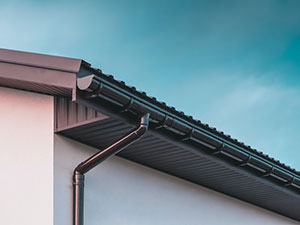
New gutters play a major role in how effectively a home manages rainwater, yet size and design are often overlooked when homeowners think about replacement. At Gingerich Guttering, we help homeowners throughout Atlanta, IN, understand how new gutters function and why proper sizing and design matter. If you have questions about gutter performance or water drainage, you can reach us at (765) 434-1009. Learning how new gutters are designed helps homeowners make informed decisions that protect their homes long term.
How Gutter Size and Design Affect Performance
Gutters are not one size fits all. Roof size, roof pitch, rainfall volume, and home layout all influence how new gutters should be designed. When gutters are too small or poorly designed, water can overflow, back up, or drain improperly. Properly designed new gutters ensure water is captured and directed away from the home efficiently.
Gutter Size and Water Capacity
Gutter size directly affects how much water the system can handle during rainfall. Most residential homes use either five inch or six inch gutters, but the right choice depends on roof surface area and slope. Larger roofs or steeper pitches move water more quickly, increasing the volume that enters the gutters.
If new gutters are undersized, they may overflow during heavy rain. Overflowing gutters allow water to spill over the edge and collect near the foundation, which can lead to soil erosion or water intrusion. Properly sized new gutters help manage water flow without overwhelming the system.

Roof Pitch and Runoff Speed
Roof pitch influences how fast rainwater travels toward the gutters. Steeper roofs shed water more quickly, sending higher volumes into the gutter system in a shorter amount of time. This makes gutter size and downspout placement even more important.
When new gutters are designed with roof pitch in mind, they can accommodate rapid water movement without backing up. Ignoring roof pitch during design can result in gutters that struggle to keep up during storms, even if the system appears adequate during lighter rain.
Downspout Placement in New Gutters
Downspouts are just as important as gutter size when it comes to performance. Even large gutters will fail if water cannot exit the system efficiently. Downspout placement affects how quickly water is moved away from the roofline and foundation.
New gutters should be designed with enough downspouts to handle expected water volume. Proper spacing prevents bottlenecks and reduces the risk of overflow. Well planned downspout placement also helps direct water safely away from walkways, landscaping, and structural areas.
Gutter Shape and Profile
The shape of new gutters impacts how water flows through the system. Common profiles include K style and half round gutters, each with different water handling characteristics. K style gutters typically hold more water and are often used in modern homes, while half round gutters offer smoother water flow with a traditional appearance.
Choosing the right gutter profile is part of effective design. The shape should align with both water capacity needs and the architectural style of the home. Functionality should always be the primary consideration when selecting a profile for new gutters.
Seamless Design Benefits
Seamless new gutters are formed as one continuous piece, reducing the number of joints where leaks can develop. Fewer seams improve overall performance and help maintain consistent water flow.
Designing new gutters as a seamless system supports durability and reduces maintenance concerns. Seams are common points of failure, so minimizing them improves long term reliability and performance.
Slope And Alignment Accuracy
Gutters must be installed with the proper slope to ensure water flows toward downspouts. If new gutters are installed too level or with incorrect pitch, water can pool instead of draining properly.
Proper design includes precise slope calculation, so gravity assists water movement. Accurate alignment prevents standing water, reduces debris buildup, and supports efficient drainage during all weather conditions.
Matching Design to Local Climate
Rainfall patterns play a role in gutter design. Homes in areas that experience heavy or frequent rain require new gutters that can handle increased water volume. Designing gutters without considering local weather conditions increases the risk of performance issues.
In Atlanta, IN, understanding seasonal rainfall helps ensure newly-installed gutters are sized and designed appropriately. This approach supports consistent drainage and reduces the likelihood of water related damage.
New Gutters and Related Services
New gutters perform best when size and design are matched to the home’s specific needs. At Gingerich Guttering, we focus on helping homeowners in Atlanta, IN, understand how gutter design choices impact long term performance. If you are considering new gutters and want to learn more about proper sizing and design, contact Gingerich Guttering at (765) 434-1009. New gutters that are correctly designed help protect your home and manage water effectively in Atlanta, IN.
FAQ
Why does gutter size matter for performance?
Proper gutter size helps handle water volume without overflow during heavy rain.
How do downspouts affect new gutters?
Downspouts control how quickly water exits the system and prevent backups.
Does roof pitch influence gutter design?
Yes, steeper roofs increase runoff speed and require proper sizing and placement.
Are seamless gutters better for performance?
Seamless gutters reduce leak points and support consistent water flow.