
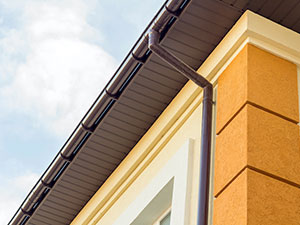
Gutters are critical for protecting any property from water damage, structural issues, and operational disruptions. Seasonal weather in Atlanta, IN, can significantly affect gutter performance, whether on commercial buildings, warehouses, offices, or residential homes. At Gingerich Guttering, we install and maintain gutter systems designed to withstand rain, snow, ice, and temperature changes. For consultation with a professional gutter installer, contact Gingerich Guttering at (765) 434-1009.
Gutter Installer Tips on Seasonal Weather
Proper gutter planning requires understanding how seasonal conditions affect water flow, debris accumulation, and material longevity. Winter ice, spring storms, and fall debris can all put stress on gutters. This is particularly important for commercial properties, where even a small blockage or failure can disrupt operations. Homeowners also benefit from proper installation, as gutters protect foundations, landscaping, and siding from water damage. In the following sections, we will break down seasonal considerations that affect gutter installation and long-term performance.
Spring and Rainy Season Challenges
Spring storms bring heavy rainfall that test gutter capacity, especially on large commercial roofs. Improperly sized or clogged gutters can cause water overflow, foundation damage, or interior leaks. This is particularly critical for warehouses, retail buildings, and multi-unit commercial properties, where water infiltration can damage inventory or interrupt business operations.
Key steps for spring preparation include:
- Ensuring downspouts are clear and properly directed to prevent water pooling near foundations
- Installing leaf guards or mesh systems to reduce debris buildup from spring storms
- Inspecting seams, joints, and brackets for winter wear or loosening
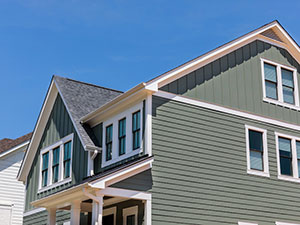
A professional gutter installer evaluates water flow across the roofline to ensure all areas, including corners and low spots, are properly drained. This reduces the risk of water intrusion into commercial interiors and helps homeowners prevent basement or crawl space flooding.
Summer Heat and Material Expansion
Although summer is typically drier, heat and sun exposure can stress gutter materials, particularly on long rooflines of commercial buildings or multi-story homes. Expansion and contraction may loosen fasteners and cause gaps at seams, leading to leaks during unexpected thunderstorms.
Summer maintenance for all property types should include:
- Tightening fasteners and support along rooflines
- Inspecting joints and seams for small cracks or leaks caused by temperature changes
- Clearing debris from spring storms to maintain proper water flow
Proactive maintenance in summer ensures gutters remain effective and reduces the risk of emergency repairs during sudden storms. Businesses benefit from uninterrupted operations, while homeowners avoid property damage and costly cleanup.
Fall Preparation and Debris Management
Autumn brings falling leaves, seeds, and twigs that can clog gutters and downspouts. Clogged gutters can cause overflow, water damage, or ice formation in the winter. Proper debris management is especially critical for properties with large roof areas or trees nearby.
Best practices include:
- Cleaning gutters and downspouts before the first frost
- Installing leaf guards or mesh screens to reduce debris accumulation
- Inspecting brackets, hangers, and fasteners for corrosion or loosened connections
For commercial properties, regular fall maintenance prevents water from spilling onto sidewalks, parking areas, or around equipment, reducing liability and potential damage. For homeowners, it prevents erosion, landscaping damage, and basement leaks.
Winter Weather Effects
Winter introduces snow, ice, and freezing rain, which can place significant stress on gutters. Ice buildup may bend or detach gutters, creating leaks or structural damage. Ice dams can form when melting snow re-freezes at roof edges, preventing proper drainage and potentially damaging roofing materials.
Key precautions include:
- Reinforcing brackets and supports to handle snow and ice loads
- Installing heat cables or de-icing systems for areas prone to freezing
- Conducting pre-winter inspections to catch weak points or potential failures
Commercial properties face additional concerns, such as rooftop HVAC units or rooftop walkways, which can complicate ice formation and increase the risk of damage if gutters fail. Proper winter preparation protects both business operations and residential homes from costly water damage.
Material Selection for Durability
Choosing the right material affects gutter performance across all seasons. Material selection is especially important for commercial buildings, where roof size and load-bearing requirements are higher, but it also matters for homeowners who want long-lasting performance.
Options include:
- Aluminum gutters: lightweight, rust-resistant, suitable for most properties and able to handle moderate snow and ice loads
- Steel gutters: strong and durable for large commercial roofs but may require protective coatings to prevent corrosion
- Copper gutters: extremely durable and low-maintenance, suitable for high-end residential or commercial applications
- Vinyl gutters: budget-friendly but may crack in freezing temperatures
A professional gutter installer evaluates property type, roof size, and climate considerations to recommend the right material and installation method.
Working With a Professional Gutter Installer
Seasonal weather affects all aspects of gutter performance, from installation to long-term maintenance. At Gingerich Guttering, our gutter installer assesses rooflines, building size, and local weather patterns to install gutters that protect your property year-round. Proper installation ensures commercial buildings, warehouses, offices, and homes are safe from water damage, reduces maintenance needs, and prevents costly repairs.
For property owners in Atlanta, IN, call (765) 434-1009 to schedule an inspection or professional gutter installation and ensure your gutters are ready to handle all seasonal conditions.
FAQ
How does seasonal weather affect gutters?
Rain, snow, ice, and temperature swings influence drainage, fasteners, and material stress
Do gutters need seasonal maintenance?
Yes, spring and fall inspections are key to preventing clogs, leaks, and ice buildup
Which materials work best in Indiana’s weather?
Aluminum is durable for most properties, steel offers extra strength, and copper provides long-term low maintenance performance
Can professional installation prevent seasonal damage?
Yes, proper design, fasteners, slope, and material selection reduce risk of damage and costly repairs